Building bridges for the conservation of the arboreal fauna of the Amazon!
Welcome to the Reconecta Project!
This is a Wildlife Conservation Project in the heart of the Amazon rainforest!
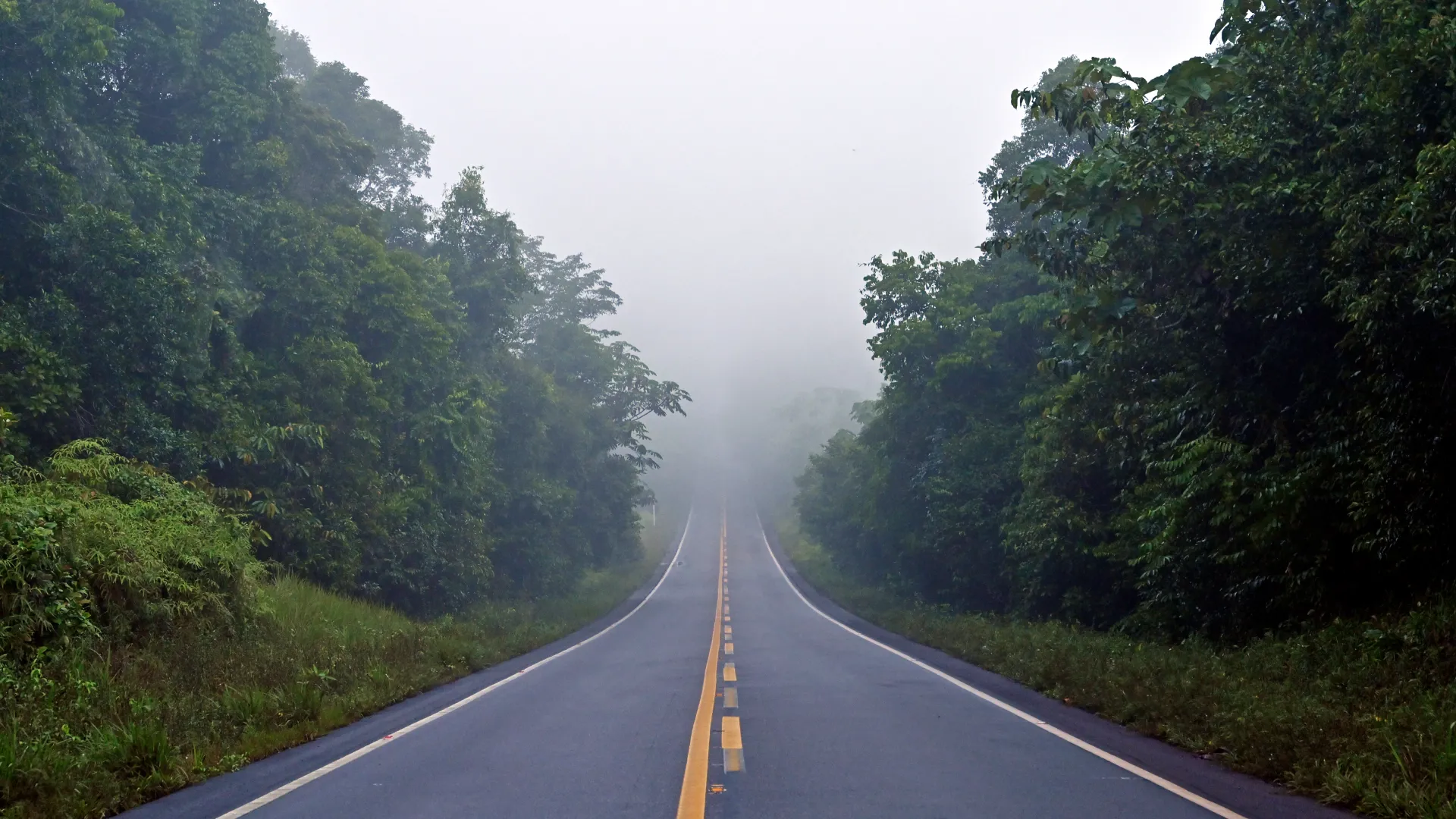
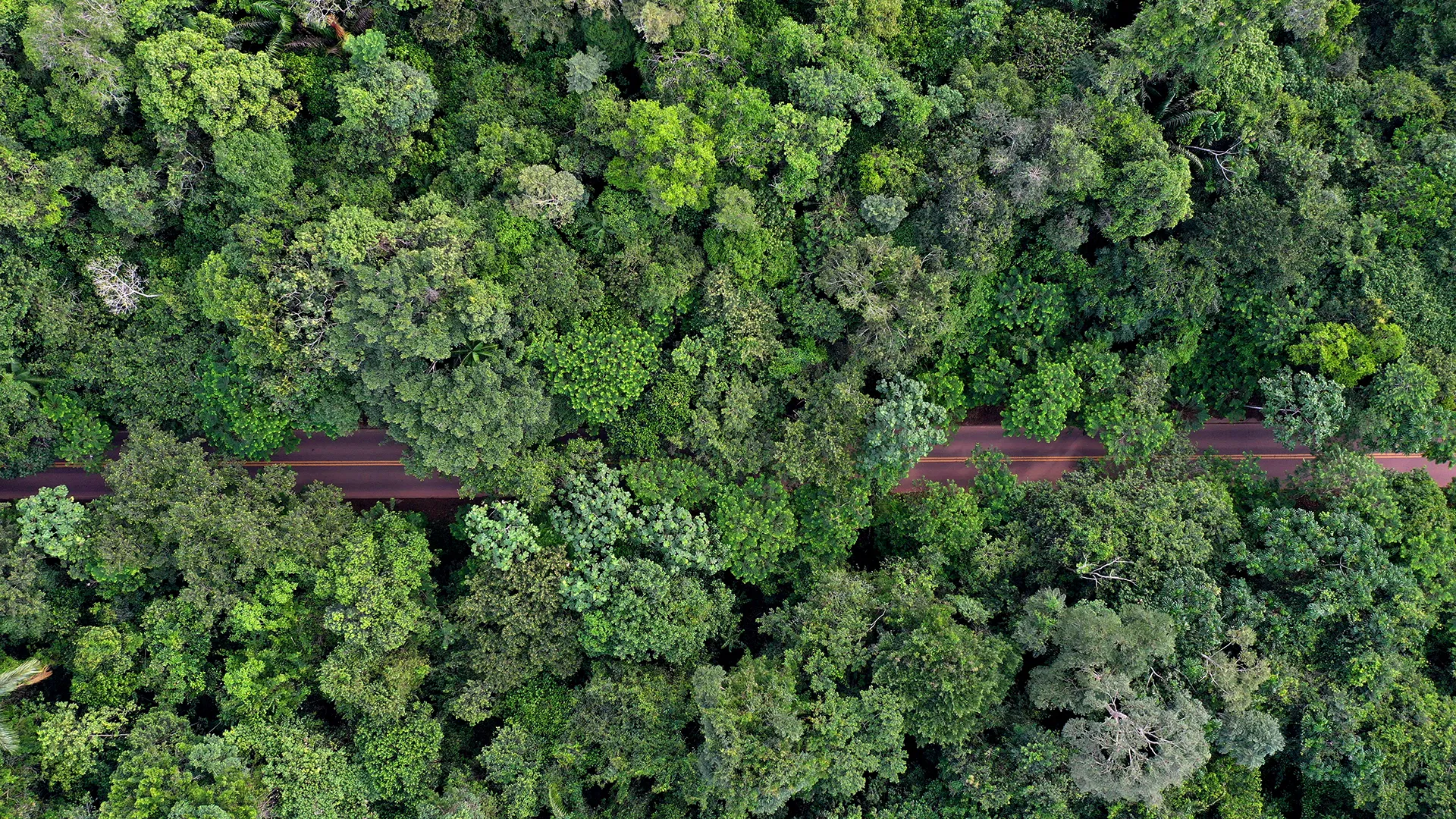
The Amazon Biome is undergoing a rapid expansion of roads, and we must create intelligent, feasible, and scalable solutions to reduce the impacts of these developments on wildlife.
The arboreal fauna is especially affected by those roads for two main reasons:
When animals come down from trees and try to cross the roads, they become susceptible to being hit by vehicles,
Strictly arboreal species avoid coming down from trees, do not cross the roads, and suffer from the barrier effect (population isolation).
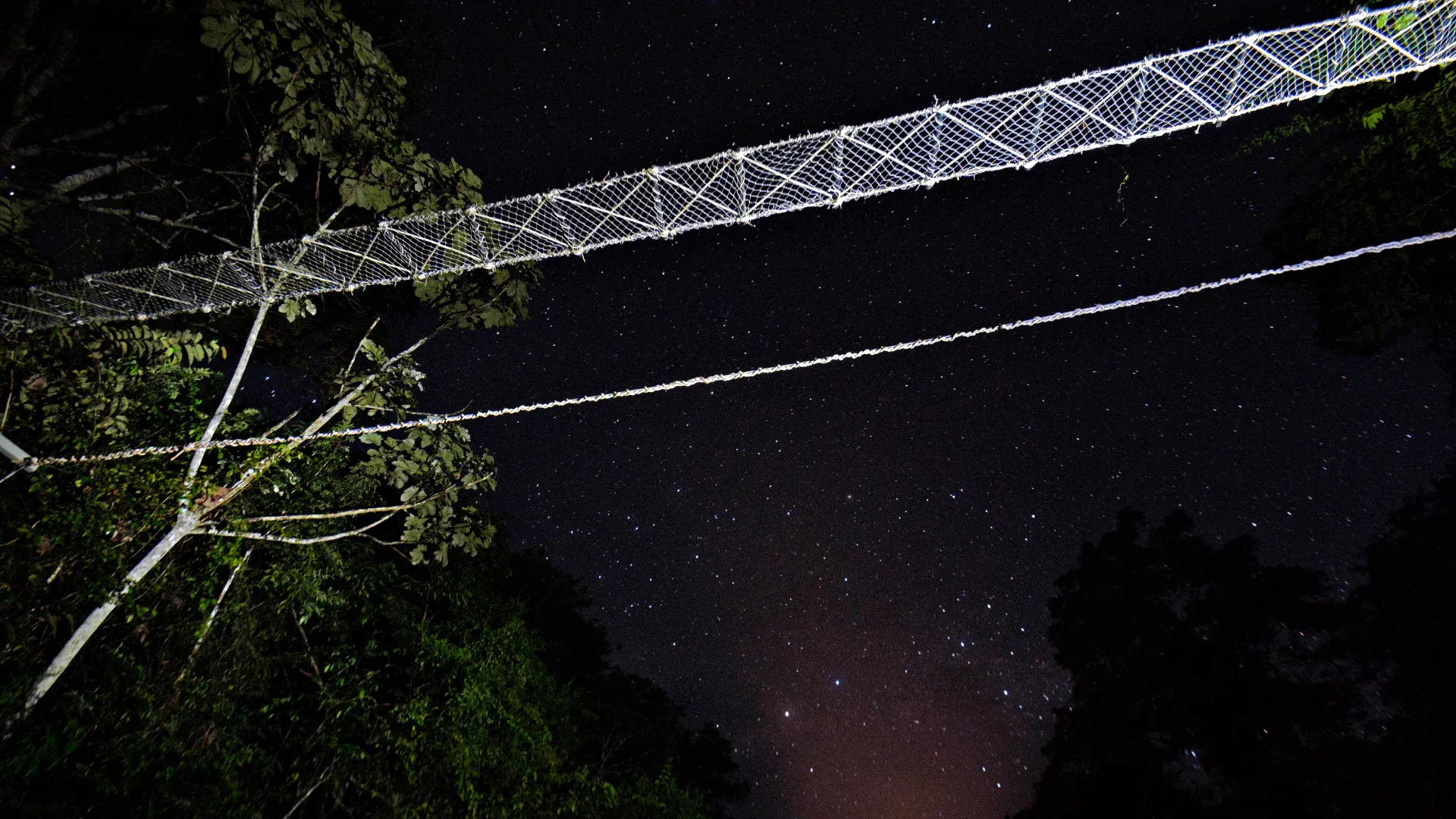
We want to RECONNECT the Amazon Forest by creating a solution to this problem! Thus, we are conducting unprecedented monitoring of wildlife killed on the roads and, until today, we have already implemented 30 canopy bridges on BR-174 Highway with the help of the Smithsonian Institution, the Waimiri-Atroari Indigenous People, UFAM, DNIT, and many other special partners and supporters from Brazil and all around the world!
With these bridges, we will understand which arboreal species are being benefited, which ones prefer specific bridge designs due to their locomotive types and whether the bridges can restore the forest connectivity lost by highway constructions while reducing roadkill mortality.
The Reconecta is a strong science-based conservation initiative with canopy bridges in Brazil! We are proud to do this using cutting-edge technologies and methodologies combined with traditional indigenous knowledge!
Let´s make it happen!
Fernanda Abra